
50 Victoria Avenue, Caversham, Reading
Corporate services for UK business owners
Crownfield Limited is a UK corporate services firm registered in England and Wales under company number 16239480. We work with directors, founders, and owner-managers who need formation, accounting, tax, payroll, and advisory support handled by people who know the filing calendar.
Formation and secretarial
Incorporation, registered office, confirmation statements and the statutory records Companies House expects.
Accounting and tax
Bookkeeping through the year, management accounts, annual accounts and Corporation Tax planning as one conversation.
Payroll and advisory
Pay runs, starters and leavers, RTI submissions, plus growth, succession and ownership transition support.
Where most directors start
Forming a company is usually the first thing people ask about, but it is rarely the whole job. Once Companies House has registered the company, a set of recurring obligations begins: confirmation statements, annual accounts, Corporation Tax returns, PAYE if you hire, and VAT registration once turnover crosses the threshold.
Our company formation and secretarial work covers the incorporation itself and the ongoing filings that follow, so the structure you set up in week one still makes sense in year three. If you have already traded for years under a different arrangement, we can take over the existing company and its records rather than starting again.
Explore company formation
Incorporation is the start of a filing calendar, not the end of one. We keep the dates visible.

Accounting and tax as one conversation
Annual accounts are the statutory output, but the useful work happens long before year-end. We keep bookkeeping running through the year and prepare management accounts monthly or quarterly, depending on the business.
Payroll that employees trust
Payroll is a precision service. Pay has to be right, deductions have to be correct, and PAYE reporting has to reach HMRC on time. We process payroll for small and mid-sized employers, handle starters and leavers, statutory payments, and the RTI submissions that sit behind each pay run.
If you are weighing whether to bring payroll in-house or keep it outsourced, the deciding factor is usually how much internal admin time you want to spend on it against what else you could be doing. For most directors hiring their first few staff, the answer changes quickly once real-time reporting starts.
Payroll and people operationsWhat we handle, and who we handle it for
Most of our clients are limited companies incorporated in England and Wales, ranging from single-director consultancies to employers with staff on payroll. Some come to us at incorporation and stay through growth. Others arrive because a previous accountant was not keeping up with filings, or because the business has outgrown a spreadsheet. We do not publish fixed packages, because the right scope depends on your transaction volume, headcount, and reporting needs.
Management accounts and annual accounts are only as good as the records underneath them. Clean bookkeeping means reconciliations done monthly, invoices raised and tracked, and no scramble in the final weeks before a filing deadline. We are happy to work with whatever accounting software your business already uses.
Advisory when the business changes shape
Some years the questions are operational. Other years they are structural: a funding round, a management buyout, succession to family, or an Employee Ownership Trust transition. Succession in particular is a process measured in years, not a single meeting, and it works best when it starts while the owner still has options.
Growth planning
Forecasting, funding readiness, and the reporting a lender or investor will ask to see before they commit.
Ownership transition
Management buyouts, family succession, and Employee Ownership Trust structures, planned well before the exit date.
Fractional finance
Finance leadership on a part-time basis when a full-time hire is premature and the decisions cannot wait.
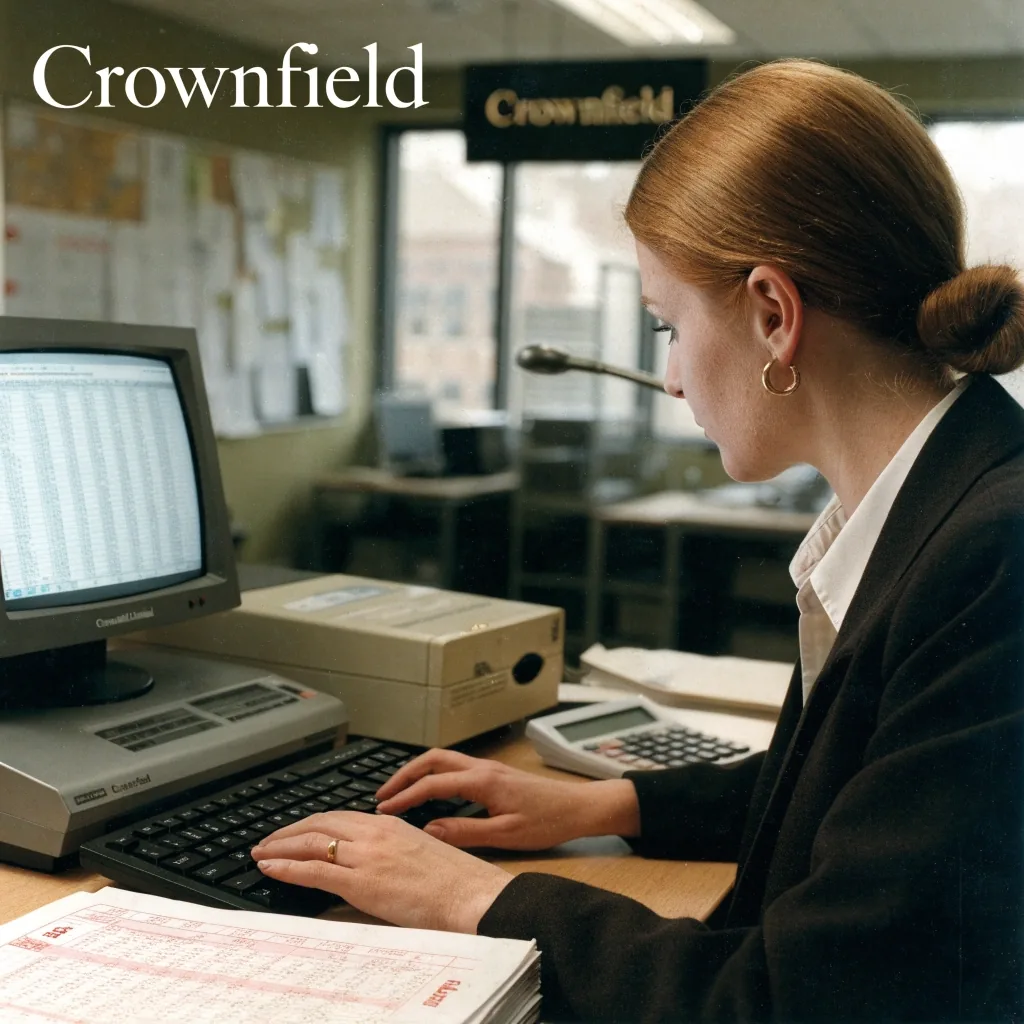
Keeping formation, compliance, and growth in one place
A hiring decision affects payroll and Corporation Tax. An ownership transition affects valuation, tax, and reporting. Keeping them with one firm means the person preparing your accounts also knows about the succession plan.
Compliance deadlines you cannot miss
Companies House expects a confirmation statement at least once every 12 months, and annual accounts within nine months of your accounting reference date for a private company. HMRC expects a Corporation Tax return and payment, and PAYE submissions follow each pay run. Missed deadlines carry penalties, and they compound. A large part of what we do is simply keeping the calendar visible so nothing gets filed late.
Every 12 months
Confirmation statement filed with Companies House, confirming directors, shareholders and registered office are still correct.
Nine months after year end
Annual accounts and a Corporation Tax return for a private company, prepared from bookkeeping that should already be current.
Each pay run
PAYE submissions to HMRC on or before payday, with VAT returns added once your turnover passes the registration threshold.
You should not have to chase your accountant for a number.
We share management accounts and reporting in a form you can read without an accounting qualification, and we are reachable by phone and email when a question cannot wait for the monthly cycle. Some clients want a full outsourced finance function; others want a year-end accountant and nothing more. Both are fine, and we will tell you which one your situation actually calls for.
Contact CrownfieldHow to choose a corporate services firm
The questions worth asking are practical ones. Who will actually handle your file day to day? What is the turnaround on a question? Do they work with your software, and can they show you a sample management accounts pack? Cost matters, but the more expensive mistake is an accountant who only appears once a year and only after a deadline has passed. We are happy to be measured on those terms.
What happens when you get in touch
A first conversation is usually 30 minutes. You describe the business and what is currently causing friction, and we explain which services would actually help. If formation is the immediate need, we can move quickly on that. If the issue is reporting quality or a deadline that is approaching, we will say so plainly and outline what is involved. Either way you leave the call knowing what the next step is, and what it would take.
Reach us Monday to Friday, 9:00 AM to 6:00 PM. Phone 756905136 or email [email protected].
Questions directors ask us first
What does a UK company formation service actually include?
At minimum, filing the incorporation documents with Companies House, confirming the company name is available, and setting up the registered office and service addresses. In practice it usually extends to the memorandum and articles, the first confirmation statement, and advice on share structure and directors. Ongoing company secretarial work sits on top of that.
What is the difference between a registered office and a trading address?
The registered office is the official address on the public register where statutory mail is received. The trading address is where the business actually operates. They can be the same, but many directors use a separate registered office to keep a home address off the public record.
Which ongoing filings does a limited company have after setup?
A confirmation statement at least annually, annual accounts filed with Companies House, a Corporation Tax return to HMRC, and PAYE submissions if you employ anyone. VAT returns apply once registered. Missing these deadlines triggers penalties, so most directors put them on a calendar or hand them to a firm.
When should an SME outsource bookkeeping or payroll?
When the internal time cost outweighs the fee, or when errors are starting to appear. A common trigger is hiring the first few employees, because payroll compliance stops being something a director can absorb alongside sales and delivery.
What is the difference between management accounts and annual accounts?
Management accounts are internal reports prepared regularly, often monthly, showing profit and loss, balance sheet, and cash flow. Annual accounts are the statutory filing prepared for Companies House and HMRC. Management accounts help you run the business; annual accounts satisfy the filing obligation.

Registered office and statutory records
Every UK company needs a registered office address, and it has to be a real location where official mail can be received. That address appears on the public register, which is why many directors use a service address rather than their home. We handle registered office arrangements and the statutory registers Companies House expects a company to maintain.
Where to go next
Pick the area closest to your immediate problem, or start with a conversation and we will point you to the right one. Crownfield Limited is registered in England and Wales under company number 16239480, with its office at 50 Victoria Avenue, Caversham, Reading.
Company Formation & Secretarial
Incorporate, set up the registered office, and keep the statutory records current.
Accounting & Tax
Bookkeeping, management accounts, annual accounts and Corporation Tax handled together.
Payroll & People Operations
Pay runs, starters and leavers, statutory payments and RTI submissions to HMRC.
Business Advisory & Succession
Growth planning, ownership transition and fractional finance support when the business changes shape.